


The UK’s Leading Alcohol & Drug Rehab Provider
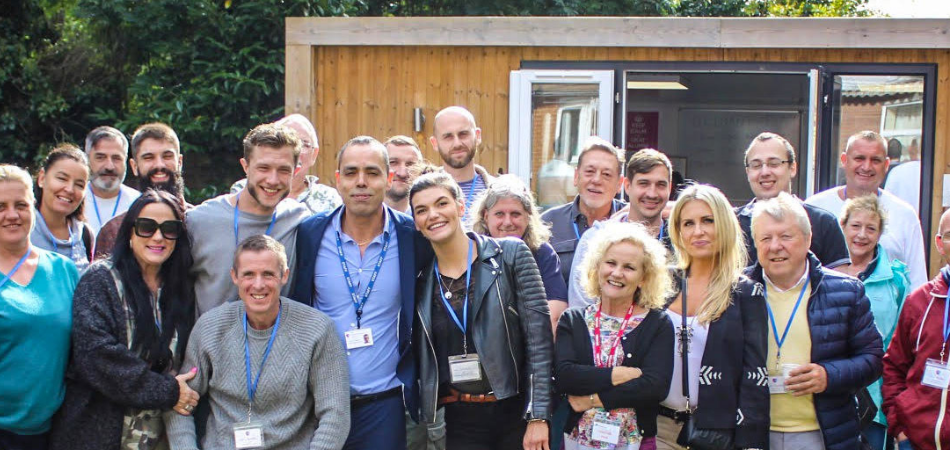
Welcome to UKAT, where you’ll find understanding from those who have walked in your shoes.
With over 200 detox and rehab beds across the UK, we specialise in comprehensive care for alcoholism, drug addictions, behavioural addictions such as eating disorders, and mental health disorders. Spanning from luxurious rehabs with en-suite rooms, gyms and on-site medical nursing units to affordable clinics.
Led by individuals who have triumphed over addiction, our affordable residential care is designed to support your recovery journey. As the leading rehab provider in the UK, we offer various options, from luxurious en-suite rooms with 24/7 on-site medical care to cost-effective clinics and bespoke treatment programmes.
Our approach focuses on holistic care, customising treatment to address everyone’s addiction and long-term recovery. UKAT always addresses the individual as a whole and will tailor treatment to the addiction and long-term recovery of the patient. Our centres also have dedicated family programs, offering support and assistance to loved ones. Find out more about UKAT

Call our 24-hour free confidential helpline.
OR fill out an admissions form, and a team member will contact you shortly.
Addiction treatment has three crucial steps: addiction, detox, and rehab. The addiction phase involves acknowledging and addressing the harmful habits and dependencies that have taken hold. Detox follows, where the body is cleansed from the toxic substance, and withdrawal symptoms are managed. Finally, the rehab stage focuses on comprehensive therapy, providing individuals with the necessary tools to overcome addiction and rebuild their lives.
Connection, compassion, responsibility and processing all link together to enable successful addiction recovery, and you can explore a range of rehab options and insights below.




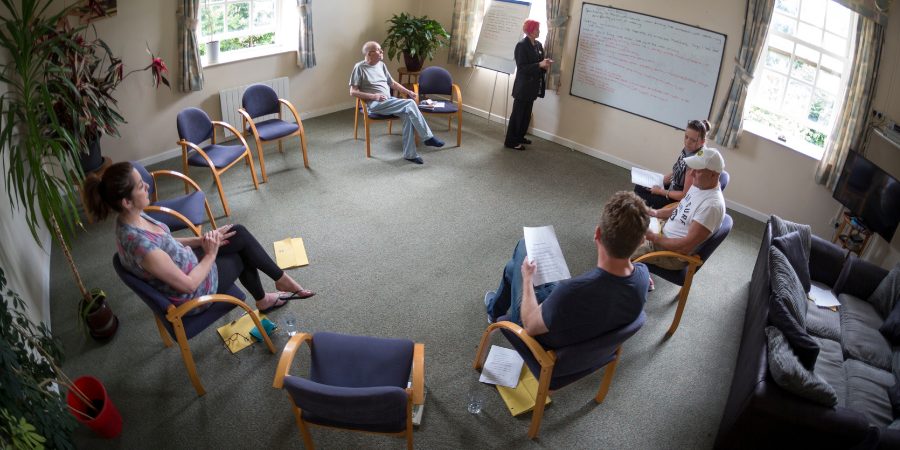
At UKAT, we recommend our 90-day treatment option for individuals seeking comprehensive and lasting results. Our most extended programme offers an extensive three-month journey towards recovery, providing essential elements such as medical detox, holistic group therapies like Dialectical Behavioural Therapy (DBT), meditation, recovery workshops, and one-on-one sessions with a therapist. Furthermore, you will receive guidance through the 12-step literature, with sufficient time to complete three to four steps in the supportive environment of our rehab.
We understand that transitioning back to everyday life can present challenges even with these tools. That’s why, if you successfully complete our 90-day inpatient treatment programme but encounter a relapse within 30 days of leaving, we promise to welcome you back for a complimentary 28-day treatment to help you get back on track towards lasting recovery.
The importance of trust and communication in addiction recovery cannot be overstated. Many people who are struggling… More

Whenever people get in touch with us at UKAT, one of the first things they always ask us about is what life in r… More
![]() Firsthand experience of addiction recovery
Firsthand experience of addiction recovery![]() A range of holistic treatments
A range of holistic treatments![]() Highly-qualified and experienced staff
Highly-qualified and experienced staff![]() Medical detox unit
Medical detox unit![]() 24/7 support
24/7 support![]() 1 year’s free aftercare and post-rehab support packages
1 year’s free aftercare and post-rehab support packages
 Firsthand experience of addiction recovery
 A range of holistic treatments
 Highly-qualified and experienced staff
 Medical detox unit
 24/7 support
 1 year’s free aftercare and post-rehab support packages
- Support for Family & Friends
- One-on-one support included
- Introduction to long-term support
- Family Groups Every Week
Addiction may manifest differently in each person’s life, but its detrimental effects on relationships, physical well-being, mental health, and perception are universal.
Drawing from our own first-hand experiences with substance abuse and the valuable insights of our medical experts, our comprehensive Help Guides shed light on the common challenges triggered by addiction.
Our ‘how to’ guides provide practical and effective strategies to navigate these difficult situations, offering guidance based on real-life experiences and expert advice.